Presentation Training for Architects: Turning Design Intent Into a Client Decision

Architects are trained to think visually and to defend a design through critique, yet many struggle in the room where a client actually decides. The review is shorter, the audience is not made of designers, and the questions are about cost, schedule, and risk instead of form. Presentation training for architects closes that gap. It teaches practitioners to carry design intent into a conversation that ends with an approval, a selection, or a signed agreement.
Lead With the Client's Problem
Design presentations often open with the site, the concept diagram, and the inspiration. Clients tend to open with a different question: will this solve what I need? Training begins by reversing the order. The first slide states the client's goal in the client's words, and the design is introduced as the answer. This shift alone changes how a room listens, because the audience sees its own priorities reflected before any drawing appears.
Cut the Deck to the Decisions
A typical architectural deck contains far more than a meeting can absorb. Participants learn to ask what decision each slide supports and to remove anything that does not move the room toward it. Fewer images, held on screen longer and discussed with purpose, produce better conversation than a rapid sequence of renderings. Backup material still has a place, but it lives in an appendix, ready if a question calls for it.
Speak About Drawings, Not Over Them
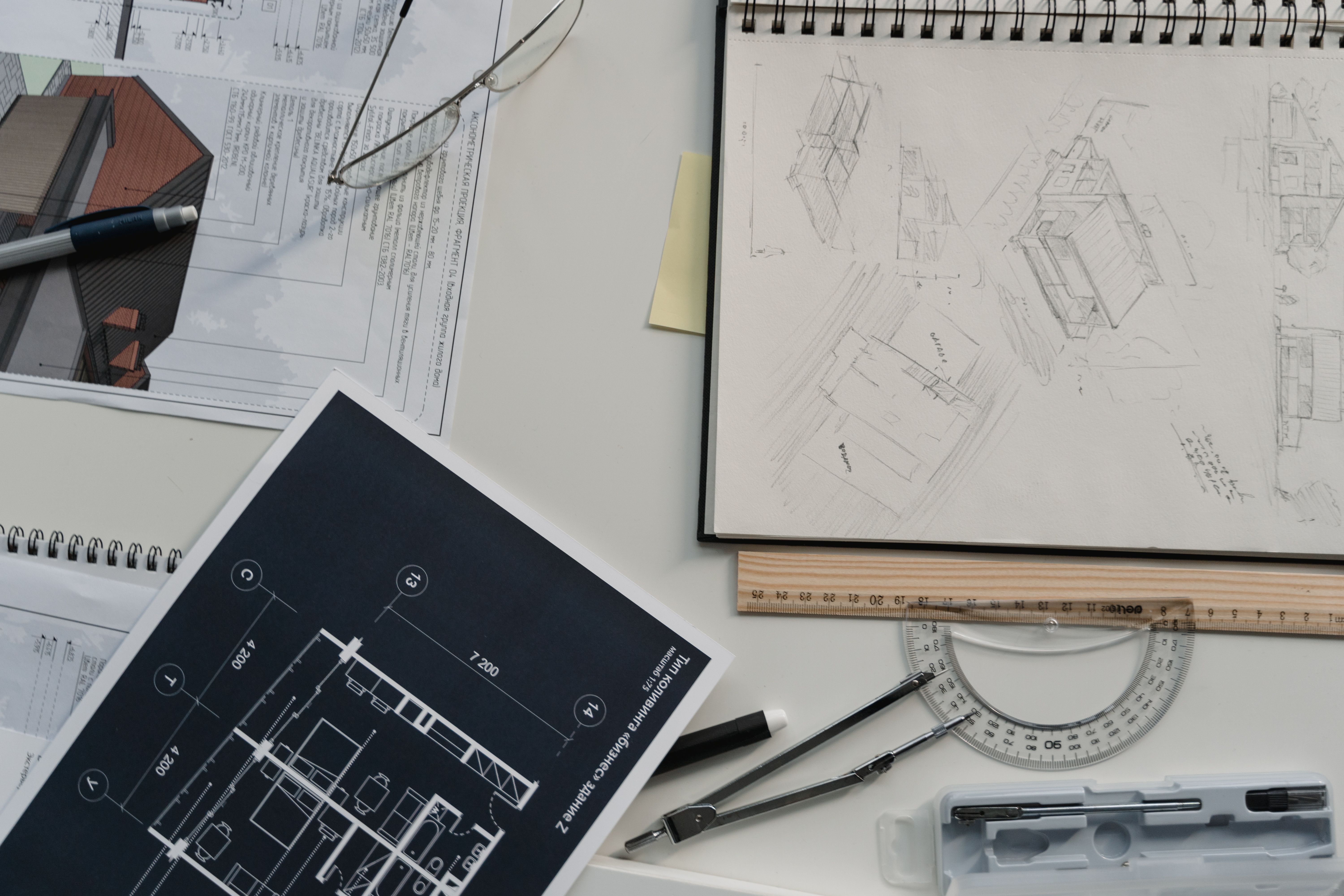
Plans, sections, and elevations carry dense information, and presenters often talk past them or read their labels aloud. Good practice is to orient the audience first, naming what they are looking at and where to look, then to make one point per image. Pointing with a cursor, zooming on a detail, and pausing for the room to catch up are small habits that make complex drawings readable to people who do not draw for a living.
Handle Questions on Cost and Schedule Without Retreating
Few moments rattle a design lead like a pointed question about budget or constructability. Training includes practice answering these directly. That means acknowledging the concern, giving the best current information, and naming what is still being studied, instead of deflecting to design philosophy. Clients read candor as competence. Rehearsing the five most likely hard questions, aloud and with a colleague playing the skeptic, prepares a team far better than rereading the deck.
Present as a Team, Not a Relay
Many architecture interviews feature three or four speakers who each cover a segment and hand off awkwardly. Strong teams plan transitions, agree who answers which category of question, and keep one person responsible for the overall arc. Recorded rehearsals make weak handoffs obvious, and they usually get fixed in a single session once everyone sees them.
Measure Improvement Over Time
Presentation skill develops with feedback, so effective programs build in repetition. Short recorded sessions, review against a simple scorecard covering clarity, pacing, and responsiveness to questions, and follow-up practice before real pursuits produce steady gains. Firms that treat presentation as a trained discipline, rather than a talent some people have, see more consistent results across their entire staff.
Rehearse in the Conditions You Will Face
Many architects practice at their desks, then present in a conference room with unfamiliar screens, a clock running, and a client who interrupts. Training works best when rehearsal mirrors those conditions. Teams practice with a hard time limit, with someone interrupting at random, and with a cut slide or two they must skip gracefully. The goal is not a memorized script. It is the composure to adapt when the meeting does not follow the plan, which is how most real meetings go.
The Bottom Line
Architects already know how to design. Presentation training helps them communicate that design to the people who approve it: lead with the client's problem, cut to the decisions, speak clearly about drawings, answer hard questions directly, and move as a team. Those habits turn good design into winning work.