Presentation Training for Architects: Building the Skills Behind the Pitch

Architects are trained to communicate through drawings, models, and renderings. The interview room asks for something different. A selection committee wants to hear how you think, see how your team works together, and decide whether they trust you with a multi-year project. Presentation training for architects closes the gap between strong design work and a strong delivery of it.
Start With the Audience, Not the Portfolio
Most architecture presentations are built around the firm's past work. Owners rarely score them that way. A hospital board is listening for how you will reduce disruption to patient care, and a school district is listening for how you will protect a fixed opening date. Good training begins by mapping what each person on the panel cares about and then deciding which projects, images, and stories answer those concerns directly.
Give Every Speaker a Clear Job
Teams often split a presentation by title instead of by purpose. The principal opens, the project manager covers schedule, the designer shows the renderings, and nobody connects the pieces. In training sessions, each speaker gets one message to land and one transition to the next person. When the handoffs are rehearsed, the team sounds like one group instead of five individuals taking turns.
Cut Slides That Do Not Earn Their Place
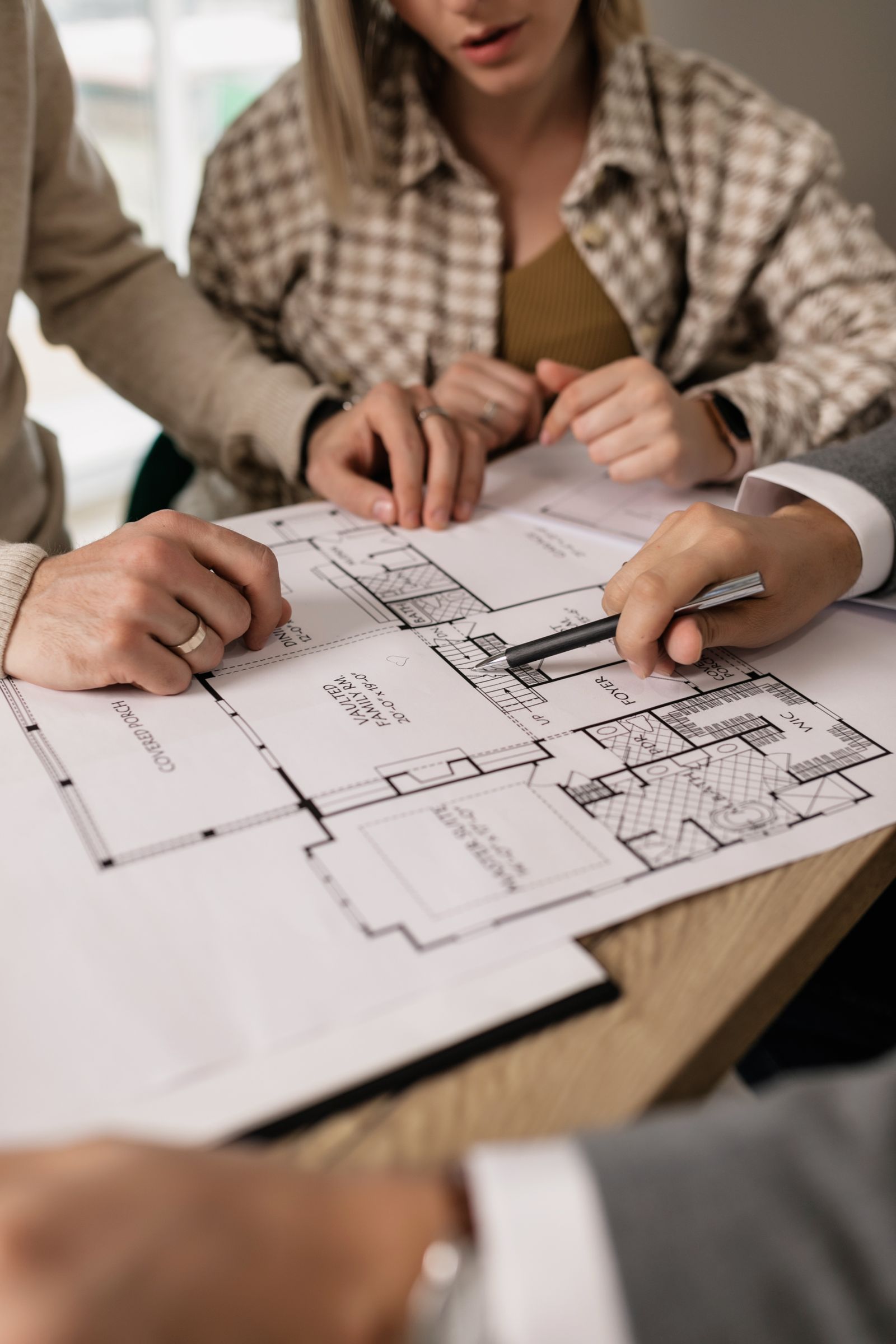
Dense slides force the audience to read while you talk, and they lose both. Training pushes teams to remove text that repeats what the speaker says and to let a single strong image carry a point. A floor plan with one annotated circle will usually communicate more than a slide with six bullets about the same space.
Rehearse Under Real Conditions
A run-through at a desk is not preparation for a room with a clock, a panel, and a projector that behaves differently than expected. Effective programs include timed rehearsals with a live audience that asks hard questions. The goal is to find the places where the team rambles, contradicts one another, or stalls on a question about fees or staffing, and to fix them before the real interview.
Practice the Question and Answer Period
Many interviews are decided in the last ten minutes. Panels use questions to test candor and depth. Training should include a list of the most likely tough questions, such as why your fee is higher, who will actually be on site, and how you handled a past schedule slip. Short, specific, honest answers build more credibility than polished deflection.
Treat Nerves as a Skill Problem
Even experienced principals get tight in front of a selection committee. Breathing, pacing, and a rehearsed first thirty seconds help settle the delivery. Training that addresses these basics gives quieter team members the confidence to contribute instead of deferring to the loudest voice.
Measure Progress After the Interview
Training should not end when the interview does. Ask the team to review a recording of the presentation and score it against a short checklist: was the owner's problem stated in the first minute, did each speaker land one message, and were the questions answered directly? Debriefs after wins and losses alike give the firm a record of what works with its own people. Over a year, those notes become a house style for pursuit presentations that new hires can learn from, and they reduce the risk that a strong delivery depends on one or two senior voices. Firms that do this tend to improve with each pursuit, because the lessons stay in the office instead of leaving with whoever happened to present.
The Bottom Line
Architecture firms invest heavily in design quality, and the interview is where that investment gets judged. Presentation training for architects gives the team a structure, a rehearsed delivery, and the habit of speaking to what the client needs. Firms that practice together tend to present better together, and the panel notices the difference.