Presentation Training for Architects: Winning the Design Interview

Architects are trained to think visually, and most can talk about a building for hours. Fewer are trained to explain a design to a selection panel in twelve minutes, to an audience that includes a facilities director, a finance officer and a school board member alongside the people who know what a section drawing is. Presentation training for architects fills that gap, and it matters most in the interviews where the work is won or lost.
Translating Design Intent for Non Designers
Panels rarely score a firm on design language. They score it on whether they understood the idea and believe it fits their needs. An architect who says a lobby creates a sequence of compression and release may be correct, yet the panel member who runs operations hears nothing about queues, security or maintenance. Training teaches architects to state the idea, connect it to a client outcome, and then show the drawing that proves it.
A useful exercise is the one sentence test. Before building slides, each presenter writes what the panel should believe after their section, in plain words. If the sentence cannot be written, the section is not ready.
Structuring the Presentation
Strong architect presentations tend to follow a simple spine: what we heard from you, what we propose, why it works, and who will deliver it. Many firms open with a long company history instead. Training moves the owner's priorities to the front and treats firm credentials as support rather than the opening act.
Timing is part of structure. A twenty minute slot with six speakers leaves little room for anyone, so training includes cutting. Teams decide which projects deserve a full slide, which earn a single image, and which stay in the leave behind.
Using Drawings and Models Well
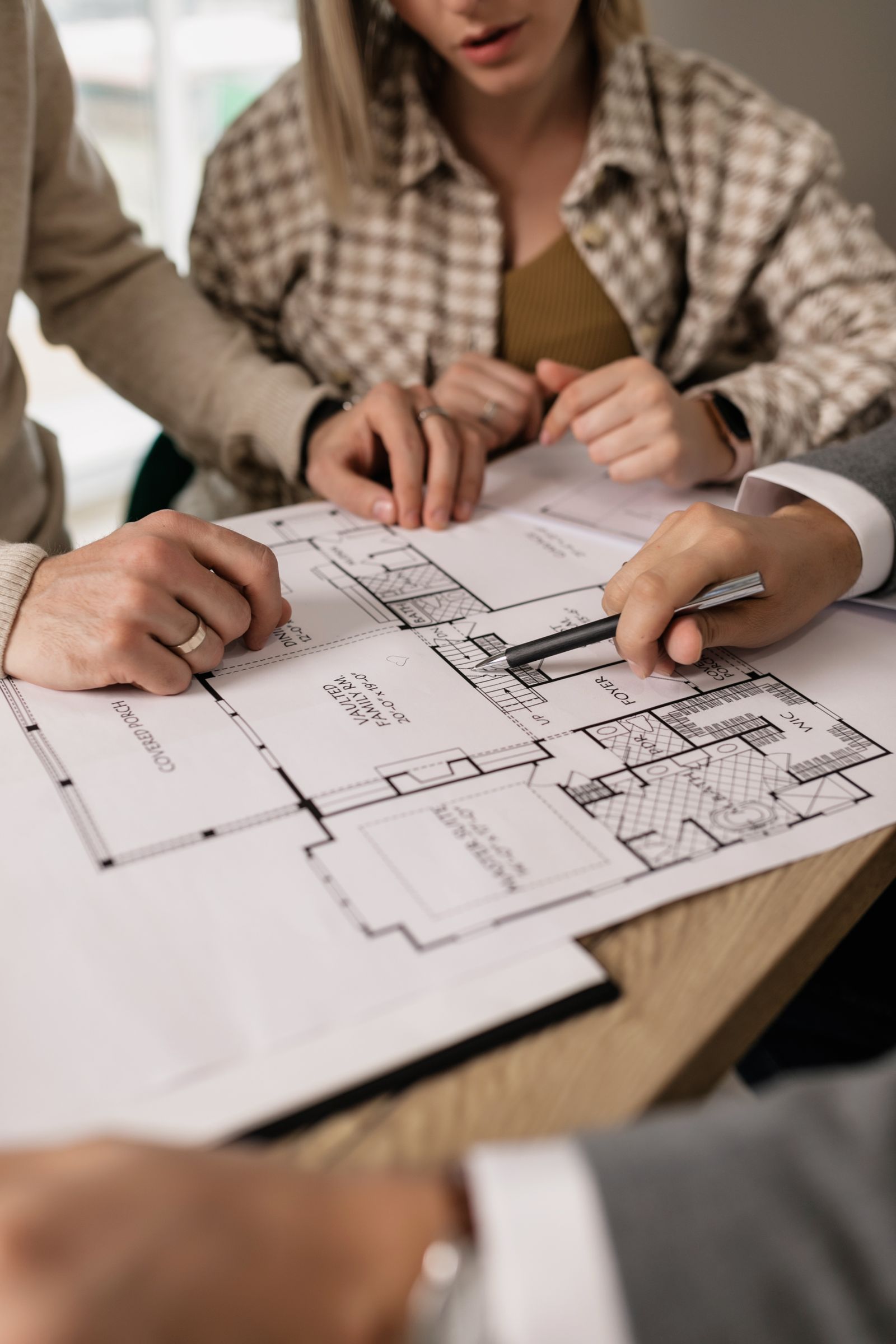
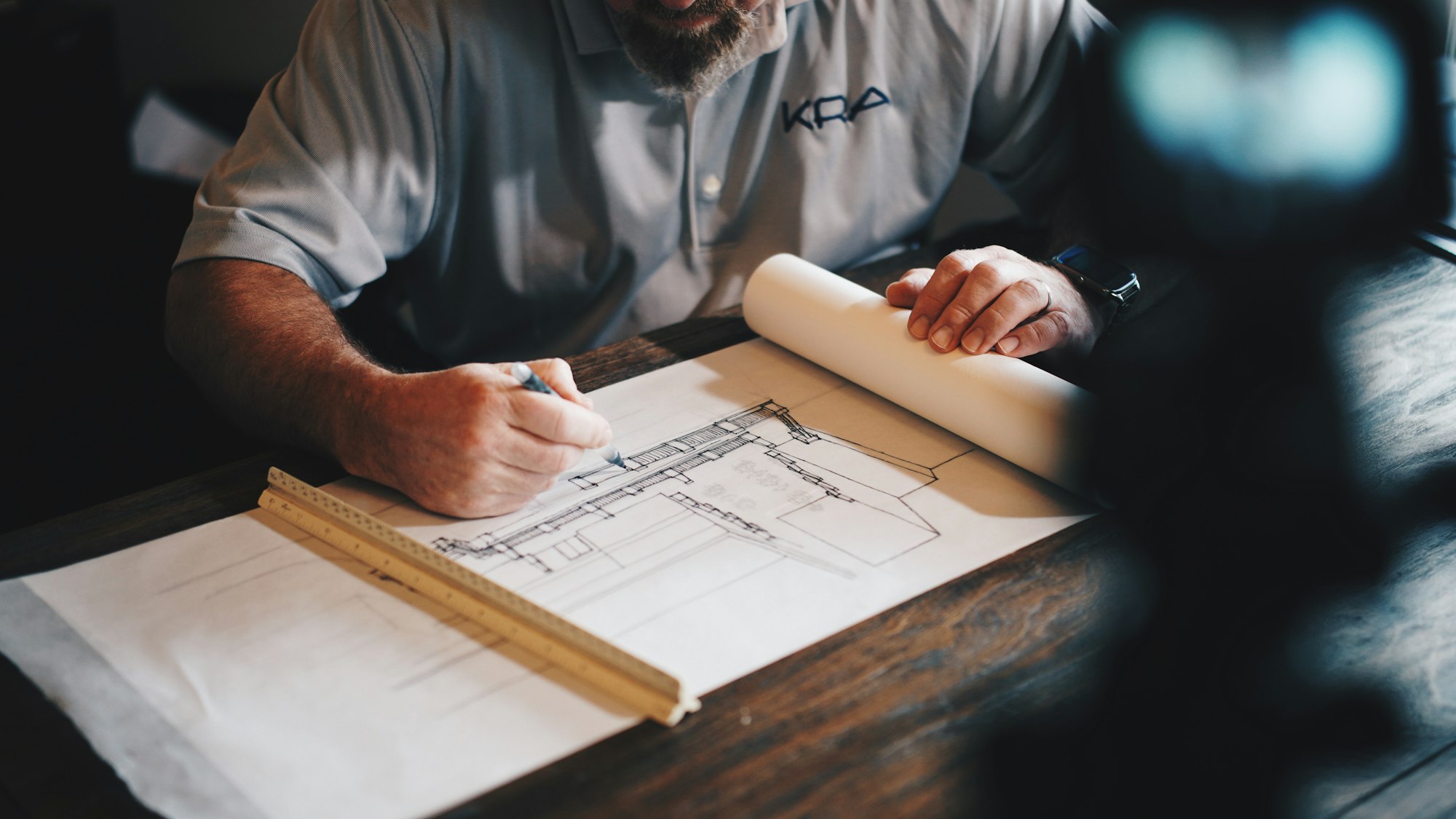
Architects have better visual material than almost any other profession, and they often waste it. A plan with forty labels asks the panel to read. A single diagram with one highlighted path asks them to listen. Training covers how to build slides that guide attention, how long to stay on a graphic, and when to stop talking and let an image carry the point.
Renderings and animation help when they answer a question the panel already has, such as how a building sits on its site or how people move through it. They distract when they are shown only because they were expensive to produce.
Handling Questions from the Panel
Interview questions rarely concern the drawings. They concern fee, schedule, how the principal will stay involved, and what the firm does when a client disagrees with the design direction. Training rehearses those answers aloud. Architects practice answering in two or three sentences, naming a specific past project, and stopping.
Teams also decide ahead of time who answers which type of question. A panel that watches three people look at each other before responding reads that hesitation as a lack of coordination.
Practicing as a Team
Most firms rehearse once, the night before. Effective training spreads practice across several sessions, each with a different focus: first the structure, then the slides, then delivery, then questions. Recording one rehearsal and reviewing it together tends to produce the most visible improvement, because speakers see their own pacing and habits.
Practice also reveals who should present what. Principals do not always present best, and a project architect who knows the details can sometimes carry a section more convincingly.
The Bottom Line
Design quality gets a firm onto the shortlist, but communication decides who wins the commission. Presentation training gives architects a method for turning design intent into a story the whole panel can follow, for using visual material with discipline, and for answering hard questions as a coordinated team. The firms that invest in this tend to find that their design work finally gets the hearing it deserves.